
How South Carolina Soils Damage Concrete and Foundations
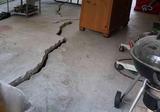
Did you know the soil beneath your foundation directly affects the stability and overall health of your home? Across South Carolina, in cities like Charleston, Columbia, and Greenville, clay-rich soils expand when wet and shrink when dry. Over time, this movement, worsened by drought and changing weather, can lead to cracked driveways, uneven steps, and shifting foundations.
Understanding how soil moisture and drought affect your concrete will help you know what to do to prevent further damage.
What Are Expansive Soils?
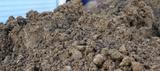
Expansive soils are clay-based soils that absorb water and swell when wet, then shrink as they dry. This cycle exerts pressure on driveways, sidewalks, and other surfaces, resulting in concrete cracks and other damage.
How Does Soil Affect Concrete?
Soil type affects water flow and the reliability with which slabs and foundations are supported. South Carolina’s soil composition varies by region, and each type interacts differently with water and load:
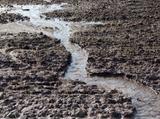
- Clay soils: Expand when wet and shrink when dry, causing cracks and settlement
- Sandy soils: Drain quickly and wash away, leaving voids that cause sinking slabs.
- Loam soils: Stable, but lose stability when oversaturated.
Because most South Carolina homes are built on clay or loam soil, even small moisture changes can trigger movement that damages concrete and foundations.
What Is the Effect of Drought on Soil?
Drought dries out soil and removes the supporting volume beneath concrete, leading to settlement and cracks. Tree roots can worsen the problem by drawing moisture from already dry soil. As the ground shrinks, gaps form beneath slabs, causing heavy concrete to sink, crack, or tilt.
This movement often results in visible damage to driveways, sidewalks, and foundations. Common problems caused by drought and dry soil include:
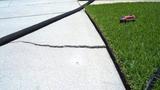
Left unaddressed, these issues can progress to foundation settlement.
Additional Factors That Cause Concrete Damage
- Soil compaction and weight: Proper soil compaction provides uniform support for slabs. Over time, dry or poorly compacted soil may settle beneath heavy slabs, leading to cracks and other damage.
- Hydrostatic pressure: Water-saturated clay soil exerts pressure on foundation walls, leading to cracks, bowing, and leaks. Proper drainage or reinforcement is necessary to prevent water seepage and damage.
What Is the Shrink–Swell Effect?
The shrink–swell effect is when clay soil expands as it becomes wet and contracts as it dries, repeatedly stressing concrete and foundations. During wet seasons, soil pushes upward and laterally; during hot, dry periods, it contracts, leaving voids and gaps. Repeated cycling weakens support, allowing slabs and walls to move, crack, and bow.
What Is the “Active Zone” in South Carolina Soils?
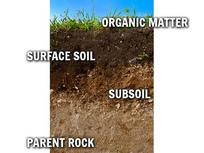
The active zone is the shallow layer of soil most affected by South Carolina’s changing moisture levels, and it’s the main driver of concrete and foundation movement. Because the state cycles between heavy rainfall and drought, this zone is in constant motion year-round.
When the soil absorbs moisture, it expands and pushes upward on concrete and foundation walls. As it dries, it contracts, leaving voids that cause slabs to sink or crack.
Over time, this repeated expansion and contraction leads to noticeable foundation settlement and structural damage in homes across South Carolina.
How to Protect Your Concrete and Foundation
The most effective approach is to stabilize soils and restore support beneath concrete and foundations. Mount Valley Foundation Services offers long-term solutions, including:
- PolyRenewal™ Concrete Lifting: Lightweight, eco-friendly polyurethane foam fills soil voids and lifts sunken slabs without added weight or excavation.
- Foundation Reinforcement: Wall anchors, foundation piers, and interior drainage systems stabilize your home against expansive soil movement and pressure.
- Crawl Space Encapsulation: Reduces ground moisture seepage that fuels humidity-related damage, such as mold and wood rot.
- Basement Waterproofing: Prevents the effects of hydrostatic pressure against foundation walls.
Mount Valley Offers Free Concrete Inspections

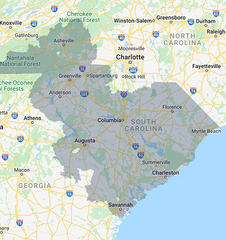
With nearly 40 years of serving homeowners throughout South Carolina, North Carolina, and Georgia, Mount Valley Foundation Services provides free expert inspections, customized repair plans, and proven results.
Schedule a free inspection to protect your concrete, foundation, and property value from South Carolina’s soil.
Concrete Repair FAQs
Yes, concrete lifting is often faster, less expensive, and less disruptive than full concrete replacement. Concrete lifting restores existing slabs in a matter of hours and provides long-lasting results.
The specific soil types in South Carolina and Western North Carolina, such as clay-rich soils, can expand and contract with moisture levels, increasing the likelihood of porch sinking. Regular checks and understanding regional soil dynamics can be preventive.
Concrete cracks and sinks when the soil beneath it is compromised by shifts, erosion, or shrinkage. Common causes include heavy rain, drought, and tree roots that displace soil and reduce support.

Shaye Glisson
Related Resources
Disclaimer: “Concrete leveling” means the process by which cracked, uneven concrete is stabilized, and in many cases lifted, by means of PolyRenewal™ polyurethane foam. Mount Valley Foundation Services does not guarantee that PolyRenewal™ can make your concrete perfectly level.
Publish Date:
Last Modified Date:
Our Locations
630 Ellis Street, Suite 2-B
Augusta, GA 30901
1850 Ashley River Rd
Charleston, SC 29407
401 Gamble Dr., Suite B
Columbia, SC 29209
1704 N. Oak Street, Suite 3
Myrtle Beach, SC 29577
6606 Abercorn St., Suite 211
Savannah, GA 31405