
Foundation Settlement: Signs, Causes, and Repair Tips
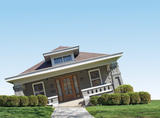
Did you consider foundation health when buying your home? Even if the foundation seemed stable then, soil shifts and moisture changes can cause settlement over time.
This guide explains the signs of foundation settlement, why it happens, and the professional repair methods that restore stability.
What Are the Signs of Foundation Settlement?
The signs of foundation settlement include cracks in walls, uneven floors, sticking doors and windows, and gaps around openings. Here are the common interior and exterior warning signs in more detail:
Interior Signs of Foundation Damage
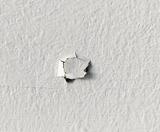
- Drywall nail pops occur when nails or screws push through drywall due to foundation movement.
- Drywall cracks appear in ceilings, corners, or above doors and windows.
- Sticking doors and windows indicate frame shifts that prevent smooth closing.
- Window and floor gaps show your home is shifting away from its original position.
- Uneven floors suggest that the foundation is sinking or settling unevenly.
Exterior Signs of Foundation Damage
- Leaning or cracked chimneys are often caused by a shifting foundation.
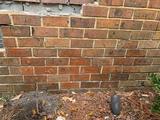
- Cracked bricks in stair-step patterns are caused by settlement.
- Sinking foundations can be identified by the sinking of the home’s perimeter.
- Collapsing retaining walls are caused by soil pressure.
Other Signs of Foundation Damage
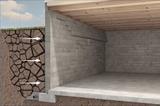
- Basement wall cracks form when expanding soil and hydrostatic pressure push against the foundation from the outside.
- Bowing basement walls develop as saturated soil and hydrostatic pressure force the walls to curve inward.
- Foundation wall cracks appear vertically from normal settling or diagonally from uneven settlement and lateral soil pressure.
If you notice these signs, schedule a professional inspection. Settlement only worsens over time, resulting in extensive damage and costly repairs.
What Causes a House Foundation to Settle?
Foundation settlement occurs when the soil beneath your home changes, weakens, or shifts. The American Society of Civil Engineers estimates that at least one in every four houses in the continental United States has experienced damage caused by expansive soil, with an estimated damage cost of $2.3 billion. Charlotte, North Carolina, is not an exception. In fact, foundation settlement is a common occurrence in and around the Charlotte area.
The common causes of house foundation settlement include:
Dry Soil
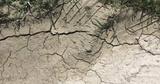
Foundation settlement is often caused by dry soil. When soil dries and shrinks, it leaves voids under your foundation that can no longer support your home.
Wet Soil
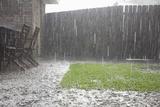
Wet soil is another cause of foundation settlement. Heavy rainfall, flooding, and poor drainage causes soil washout, making it too weak to support the weight of your foundation.
Poorly Compacted Soil
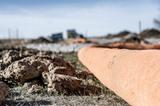
Poorly compacted soil during your home’s initial construction compresses over time, allowing settlement and shifts beneath the foundation.
Tree Roots
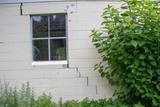
Trees and other vegetation planted near your home draw moisture from the soil, causing ground shrinkage beneath the foundation and settlement.
Inadequate Drainage
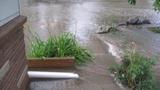
Blocked gutters, short downspouts, or poor yard drainage allow water to pool around the foundation, washing soil away and weakening support.
How Do You Fix Foundation Settlement?
Foundation settlement is repaired with professional systems, like foundation piers, to restore strength and stability. The right method depends on your soil type, foundation type, and the level of damage. Repair options include:
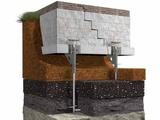
- Helical Piers: Screw-like piers installed to support homes on unstable or soft soil.
- Slab Piers: Installed under concrete slabs to correct sinking floors and restore level surfaces.
- Push Piers: Driven deep into bedrock with hydraulic force to lift and stabilize foundations.
- Wall Anchors: Installed in the soil outside to stop bowing or leaning basement walls.
- Carbon Fiber Reinforcement: Lightweight, strong straps that hold cracked or bowing walls in place.
- IntelliBrace™ Wall Repair System: Adjustable steel beams anchored to joists and basement floors to gradually straighten leaning walls.
Foundation settlement is not a DIY project, as many methods can lead to subsequent problems. Only trained foundation experts can determine the best, long-term solution for your home.
Will Homeowners Insurance Cover Foundation Repairs?
Most homeowners’ insurance policies do not cover foundation repairs caused by soil movement, settlement, or drainage issues. Coverage may apply only if the damage results from a sudden and accidental event, such as a burst plumbing pipe or sewer line leak.
Always review your policy’s exclusion clauses and consult your insurance company before filing a claim. For most settlement or structural issues, homeowners are responsible for repair costs.
Selling a House with Foundation Problems

Foundation settlement can delay or stop a home sale. Buyers, inspectors, and lenders often flag foundation problems during the closing process, which can lead to failed transactions.
If you plan to sell your home, it’s best to repair foundation issues before listing. Professional repairs improve buyer confidence and preserve property value.
Many contractors, including Mount Valley Foundation Services, offer lifetime transferable warranties that can be passed on to the next homeowner—an added selling point that protects your investment.
Mount Valley Provides Free Foundation Inspections

If you notice signs of foundation settlement, don’t wait for the damage to worsen. Mount Valley Foundation Services provides free inspections and tailored repair plans to protect your home.
Contact us today to schedule your free assessment.
Foundation Repair FAQs
Look for experienced, licensed contractors specializing in foundation repair and storm damage, with good reviews and references.
The duration of foundation repairs can depend on various factors such as the extent of the damage, the repair methods being used, and the curing time for materials applied during the repairs. After our expert assessment, we will provide you with a time estimate for the repairs to give you a general idea.
Absolutely. Improper landscaping that directs water towards your home can increase the risk of water entering through the foundation.

Shaye Glisson
Related Resources

Publish Date:
Last Modified Date:
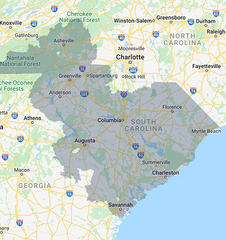
Our Locations
630 Ellis Street, Suite 2-B
Augusta, GA 30901
1850 Ashley River Rd
Charleston, SC 29407
401 Gamble Dr., Suite B
Columbia, SC 29209
1704 N. Oak Street, Suite 3
Myrtle Beach, SC 29577
6606 Abercorn St., Suite 211
Savannah, GA 31405