
The Ultimate Guide to Crawl Space Encapsulation in South Carolina
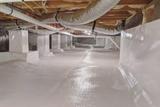
Have you noticed unusual odors in your home, worsening allergy symptoms, or rising energy bills? You may be surprised to learn that your crawl space plays a bigger role in your home’s health and efficiency than you might think.
This guide explores crawl space encapsulation, its benefits, and why caring for this often-ignored area may be the most crucial home improvement you make all year.
- What is Crawl Space Encapsulation?
- Common Signs of Crawl Space Problems
- What Causes Crawl Space Problems in South Carolina?
- DIY Crawl Space Inspection and Prevention Checklist
- How to Encapsulate a Crawl Space in South Carolina
- How to Choose the Best Crawl Space Encapsulation System
- Explore Your Options: Schedule a Free Inspection
What is Crawl Space Encapsulation?
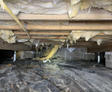
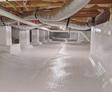
Crawl space encapsulation seals and protects your home’s foundation from moisture and other external elements that can cause structural damage. It involves multiple components working together to create a dry, controlled, and fully sealed crawl space environment.
Why Is Crawl Space Encapsulation Important for Your Home?
A sealed, encapsulated crawl space is important for your home because it offers:
- Improved indoor air quality
- Enhanced energy efficiency
- Mold growth and mildew prevention
- Reduced pest infestations
- Protection of structural integrity
- Potential increase in home value
South Carolina homeowners who encapsulate their crawl spaces significantly improve their home’s health and safety.
Common Signs of Crawl Space Problems
Several warning signs can indicate crawl space problems, such as mold growth, wood rot, and drainage problems. Other common issues include:
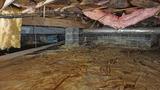
Unsure whether those high energy bills or other symptoms are related to your crawl space? If you suspect problems, consider contacting Mount Valley Foundation Services for a free inspection. Identifying the early warning signs of issues helps you address the problems before further damage occurs.
What Causes Crawl Space Problems in South Carolina?
Several factors contribute to crawl space problems in South Carolina, including climate and soil. Other factors include:
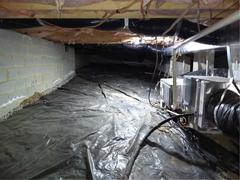
- Southern Climate: South Carolina’s warm, humid climate contributes to excess moisture in crawl spaces.
- High Water Table: South Carolina’s coastal areas, including those near the Congaree River, have a high water table, which increases crawl space flooding and moisture risks.
- Expansive Soil: South Carolina’s expansive clay soil retains moisture, expands when wet, and contributes to crawl space seepage and dampness.
- Poor Drainage: Improper yard grading, clogged gutters, and short downspouts allow water to accumulate near the foundation, potentially causing infiltration into the crawl space.
- HVAC System Issues: Leaky ductwork or HVAC unit condensation within the crawl space contributes to moisture problems.
A properly encapsulated crawl space stays dry and protected from moisture and other elements that can damage your home’s structure.
DIY Crawl Space Inspection and Prevention Checklist
Proactive DIY crawl space inspections help identify problems early and prevent costly damage. However, because crawl spaces can be hazardous, it’s best to leave inspections to professionals with the proper safety gear and tools.
Here’s a simple DIY checklist for assessing potential problems on the exterior of your home:
DIY Inspection
- Look for signs of soil erosion around your foundation.
- Check gutters and downspouts for leaks, damage, or blockages.
- Ensure proper yard grading and landscaping to direct water away from the foundation.
- Inspect crawl space vents and doors for damage.
- Watch for signs of pest or rodent activity near the crawl space.
Professional Crawl Space Inspections
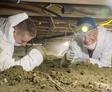
Crawl space professionals perform thorough inspections of the inner foundation area, assessing:
- Wet or damp insulation in the crawl space
- Presence of mold, mildew, or pest infestations
- Damage to wooden beams and joists or signs of wood rot
- Damage to the existing vapor barrier (if installed)
- Moisture buildup or condensation on pipes and ductwork
If you suspect damage in your crawl space, consider encapsulation. This process helps protect your foundation and your home.
How to Encapsulate a Crawl Space in South Carolina
Crawl space encapsulation in South Carolina involves sealing the area with a vapor barrier and other materials to block moisture and protect your home’s foundation. Professionals use tailored encapsulation strategies based on factors such as your home’s age, soil conditions, and the extent of existing damage. Before installation, any mold or moisture issues must be addressed. Professional encapsulation processes include:
- Cleanup and Water Removal: Eliminate water accumulation and remove any mold and wet insulation prior to the encapsulation process.
- Drainage System Installation: Sump pumps and drainage solutions, such as drainage matting, redirect water away from the crawl space.
- Vapor Barrier Application: Apply a durable 20-mil vapor barrier to the crawl space floor and walls to prevent moisture seepage.
- Crawl Space Door Closure: These doors ensure a sealed crawl space from the exterior environment and provide access for maintenance.
- Thermal Insulation Panel Install: Improve energy efficiency and temperature regulation with thermal insulation panels.
- Dehumidifier Placement: Maintain optimal humidity levels and prevent moisture buildup with a crawl space dehumidifier.
How to Choose the Best Crawl Space Encapsulation System
Local crawl space experts know the area’s climate, soil conditions, and coastal proximity and can tailor strategies for your home. The right encapsulation strategies provide a dry and healthy home for future generations.
Want to learn more about how to encapsulate a crawl space? Contact Mount Valley Foundation Services for a free, no-obligation inspection.
Explore Your Options: Schedule a Free Inspection
Mount Valley Foundation Services has helped countless South Carolina homeowners protect their homes from crawl space issues. Whether you’re facing humidity in Charleston, heavy rainfall in Columbia, or soil issues near Greenville, our team understands the unique challenges of homes across the region.
Schedule your free, no-obligation inspection and learn what crawl space encapsulation in South Carolina can do for your home.
Crawl Space Encapsulation FAQs
Encapsulation plays a crucial role in managing crawl space humidity. By integrating waterproofing and dehumidification techniques, encapsulation effectively reduces humidity levels. This process involves sealing off the crawl space from external elements, preventing water and moist air from infiltrating and creating damp conditions. As a result, encapsulation not only lowers humidity levels but also contributes to a drier and healthier under-home environment, safeguarding your property against moisture-related damage. Contact us to learn more.
Yes, encapsulation actually functions best with these key components: a sump pump, vapor barrier, vent covers, and dehumidifier. Having all of these systems combined can ensure that this space will never face moisture issues again, as each component removes water from your crawl space in its own unique way.
DIY installations are not recommended due to potential dangers, costs, and temporary fixes. Professional installation ensures proper fitting and sealing of the vapor barrier, and a thorough evaluation of your crawl space for any additional issues. Reach out to Mount Valley for a free inspection and encapsulation estimate.

Shaye Glisson
Related Resources
Publish Date:
Last Modified Date:
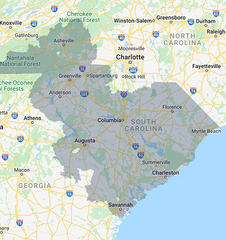
Our Locations
53 N Market St, Suite 5
Asheville, NC 28801
630 Ellis Street, Suite 2-B
Augusta, GA 30901
1850 Ashley River Rd
Charleston, SC 29407
401 Gamble Dr., Suite B
Columbia, SC 29209
1704 N. Oak Street, Suite 3
Myrtle Beach, SC 29577
6606 Abercorn St., Suite 211
Savannah, GA 31405